






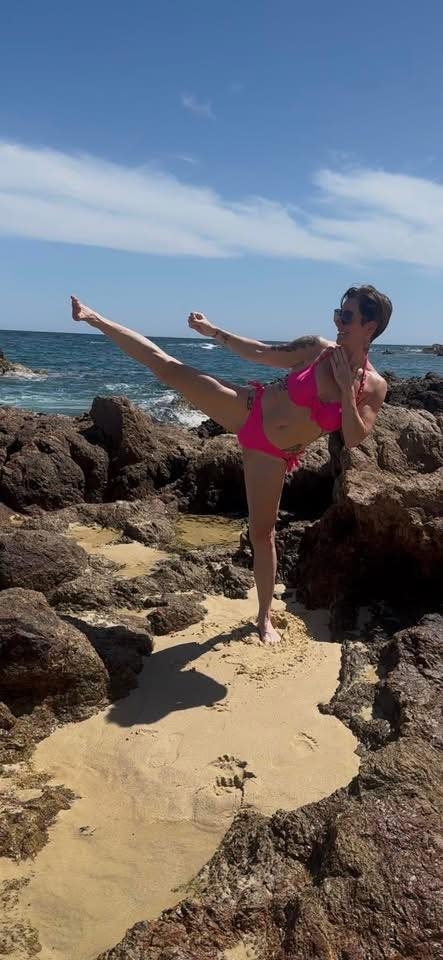

When people think about martial arts, they often picture kicks, punches, and physical skill.
At Engage Lifestyle Martial Arts, we see something deeper.
We see martial arts as a training ground for life skills, and one of the most important skills a child can develop is gratitude. Not passive gratitude. Not polite words said out of habit. But gratitude in action.
Gratitude that shapes how kids treat their parents, their teammates, themselves, and the world around them.
Why Gratitude Matters for Child Development
Gratitude is not just about being polite. It is a foundational habit that supports emotional intelligence, resilience, and character.
When children practice gratitude, they learn to:
-
Notice support instead of taking it for granted
-
Value effort, both their own and others’
-
Recover faster from frustration and setbacks
-
Feel connected instead of entitled
-
Build confidence without needing constant praise
These skills matter on the mat, in school, and throughout life.
How Gratitude Looks Different by Age
One of the most important things to understand is this:
Kids do not “do gratitude” the same way at every age.
Their brains are developing. Their awareness is growing. Their emotional maturity is changing. So the way gratitude shows up will look different depending on whether your child is 5, 7, 10, or 12.
Ages 5–7: Gratitude Is Simple and Emotional
Kids ages 5–7 are still learning to recognize what others do for them. Their gratitude tends to be:
-
Short
-
Emotional
-
In the moment
-
Often prompted
A 5-year-old might say:
“Thanks, Mom!”
“I love you!”
“That was nice!”
They may not naturally connect the deeper “why,” but they can absolutely learn it with simple coaching.
What they need most:
Consistency and modeling.
Ages 8–12: Gratitude Becomes Specific and Meaningful
Kids ages 8–12 are more capable of empathy, reflection, and perspective. They are starting to notice:
-
Sacrifice
-
Time
-
Effort
-
Support
-
Fairness
An 8–12 year old can learn to say things like:
“Thanks for staying late so I could make it to class.”
“Thanks for helping me calm down when I was frustrated.”
“I appreciate you cheering for me even when I messed up.”
What they need most:
Ownership and specific language.
Gratitude Starts at Home
Every child’s martial arts journey begins with their parents.
Parents drive to class. Rearrange schedules. Encourage effort after long days. When kids learn to notice and acknowledge that support, something powerful happens.
They begin to understand:
Success is supported, not automatic.
Simple, specific gratitude makes the biggest impact:
-
“Thanks for driving me tonight.”
-
“Thanks for helping me practice.”
-
“Thanks for watching my class.”
This builds empathy and responsibility, not guilt or pressure.
Gratitude Builds Stronger Teams and Friendships
Gratitude does not stop at home. It extends to training partners and friends.
Kids who appreciate their teammates create safer, more positive training environments. A quick “thanks for holding pads” or “good job pushing me” builds trust and cooperation.
When kids feel appreciated, they try harder. When they try harder, everyone improves.
Gratitude becomes a performance multiplier.
Gratitude Includes Ourselves
One of the most overlooked habits for kids is self gratitude.
This is not bragging. It is acknowledging effort.
“I did my best today.”
“I kept trying even when it was hard.”
“I’m proud I didn’t quit.”
Kids who recognize their own effort build inner confidence. They reduce negative self talk. They become more consistent and resilient.
Grateful kids learn to grow without tearing themselves down.
Gratitude for Small Wins Builds Real Confidence
Big goals are built from small moments.
A cleaner kick.
Showing up tired but trying anyway.
Fixing one small mistake.
Getting back up after frustration.
When kids are taught to notice progress, not just outcomes, they stay motivated longer.
Small wins create momentum. Momentum builds belief.
Gratitude Shapes How Kids Think and Feel
Grateful thinking helps kids manage emotions.
When kids learn to notice what went well, who helped them, or what they are proud of, they shift attention away from failure and frustration.
This does not ignore challenges. It balances them.
Gratitude builds calm, focus, and emotional control under pressure.
Parent Tools: How to Train Gratitude at Home (Without Lectures)
Here are simple tools that work for both age groups, with a few adjustments.
1. The “One Thing” Question (Best Daily Habit)
At dinner or bedtime, ask:
“What is one thing you are grateful for today?”
For ages 5–7, accept short answers.
For ages 8–12, ask one follow-up:
“Why did that matter to you?”
2. The “Thank You for…” Script
Kids often want to say thank you but do not know how.
Give them a simple template:
“Thank you for _______.”
Examples:
-
“Thank you for driving me.”
-
“Thank you for helping me.”
-
“Thank you for being patient.”
This is especially powerful for ages 5–7.
3. Catch Gratitude in the Moment
When your child shows appreciation, reinforce it immediately:
“I love that you noticed that.”
“That was a strong moment.”
“That was thoughtful.”
This teaches the brain: gratitude matters.
4. Turn Complaints Into Perspective (Without Shaming)
When your child complains, try this:
“I hear you. What is one thing that went well today?”
This helps them shift without dismissing feelings.
5. Teach Gratitude Through Responsibility
One of the best ways to build gratitude is to build awareness.
Have kids contribute in small ways:
-
Packing their own gear
-
Cleaning up their space
-
Helping with a sibling
-
Preparing for class
When kids help, they understand effort.
The Bigger Picture
At Engage Lifestyle Martial Arts, we believe gratitude is not a lesson. It is a lifestyle.
When kids learn to recognize support, appreciate effort, reflect on growth, and show up with intention, they develop confidence, resilience, and character.
We are not just teaching martial arts.
We are helping kids grow into thoughtful, grounded, capable humans who understand that strength and gratitude go hand in hand.
Parent Takeaways
-
Gratitude looks different for ages 5–7 and 8–12
-
Specific thank yous build empathy and responsibility
-
Gratitude strengthens friendships and team culture
-
Self gratitude reduces negative self talk
-
Small wins build confidence faster than praise
-
Simple daily habits at home make gratitude stick
Gratitude practiced consistently becomes culture.
When kids learn to thank, reflect, and show up with intention, they carry those habits far beyond the mat.
That is the kind of growth we believe in at Engage Lifestyle Martial Arts.